About Spotlight Collection: Ireland
Spotlight Collection: Ireland contains 11 authentic Irish instruments featuring expressive articulations used in Irish traditional music.
Spotlight Collection: Ireland contains 11 authentic Irish instruments featuring expressive articulations used in Irish traditional music. Each instrument comes with Snapshots that contain MIDI phrases as well as a suitable playing range, enabling you to quickly audition the instrument preset and get an idea of how the instrument can be played. The phrases can also be used to enrich live performances and as a source of inspiration.
Bodhrán
The bodhrán (pronounced [bow-ron]) is a frame drum and the most important percussion instrument in Irish traditional music. The bodhrán is usually played in a seated position and struck with a beater held the right hand. The other hand is placed inside the drum, creating tension on the skin and thus changing the pitch of the drum while playing.
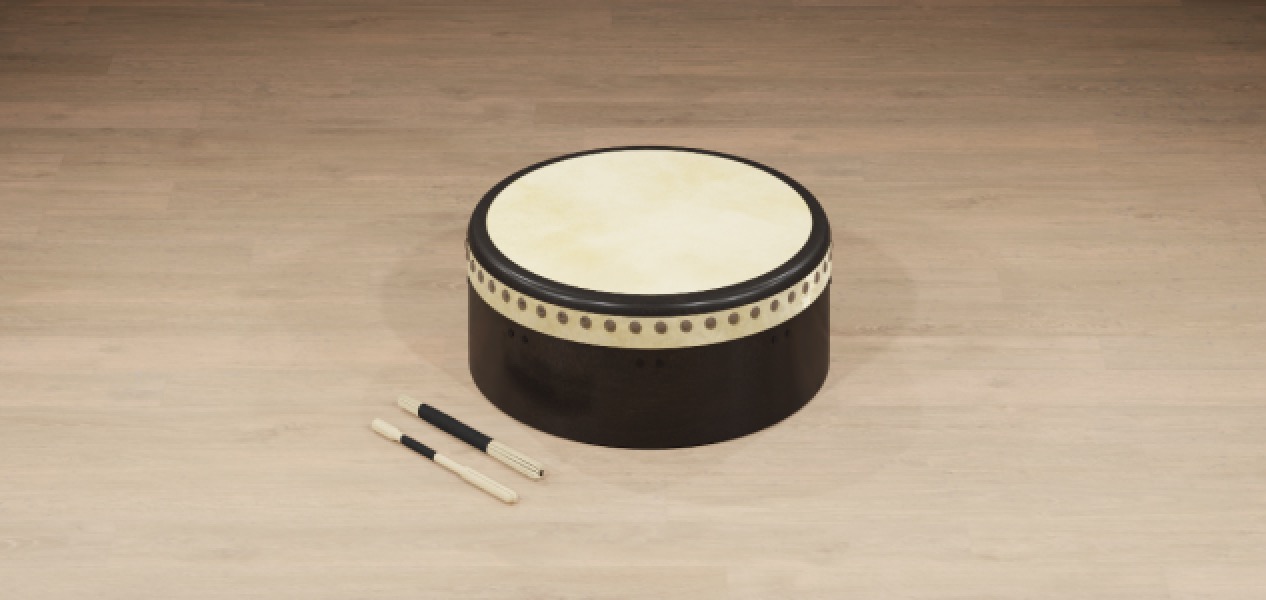
Bodhrán in Spotlight Collection: Ireland
Bouzouki
The bouzouki, originally from Greece, is a very recent addition to Irish traditional music. It features four pairs (or courses) of strings that are tuned to the notes G-D-A-D. In Irish traditional music, the bouzouki is frequently used for chordal accompaniment.
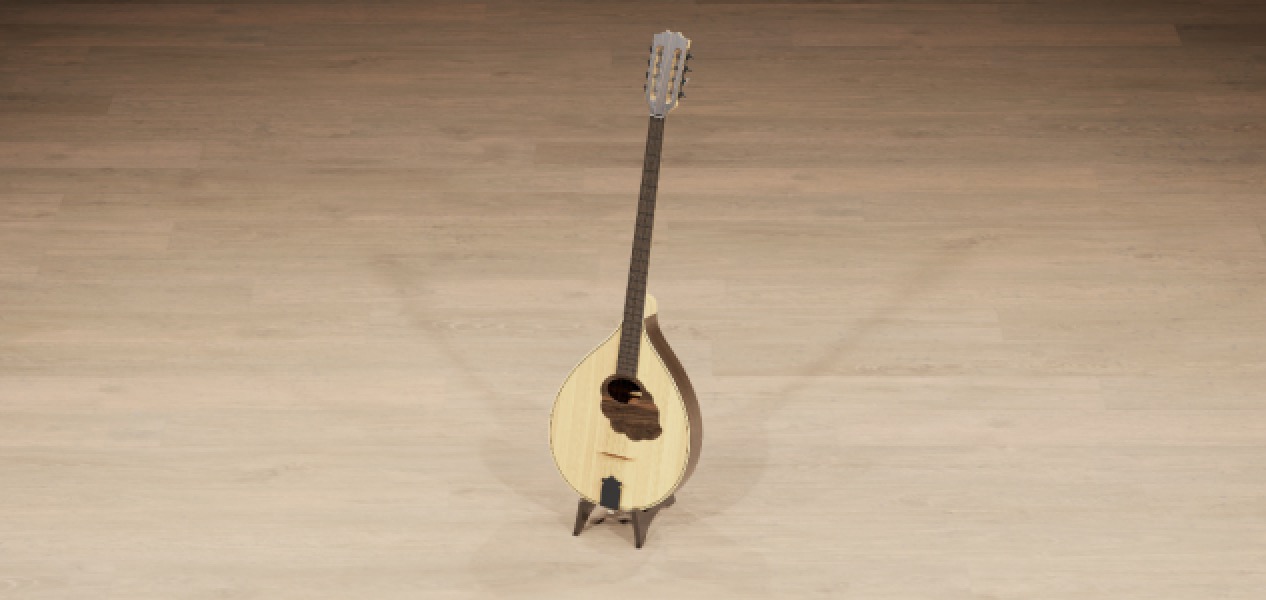
Bouzouki in Spotlight Collection: Ireland
Button Accordion
The button accordion (also referred to as "The Box") is, as the name implies, a type of accordion with buttons instead of keyboard-like keys. The buttons on the melody side are arranged in two rows, with one row producing notes of the B major scale, and the other row producing notes of the C major scale. The other side of the button accordion features buttons that trigger chords and bass notes. Just like the concertina, its buttons produce two different pitches, depending on whether the bellow is pulled or pushed.
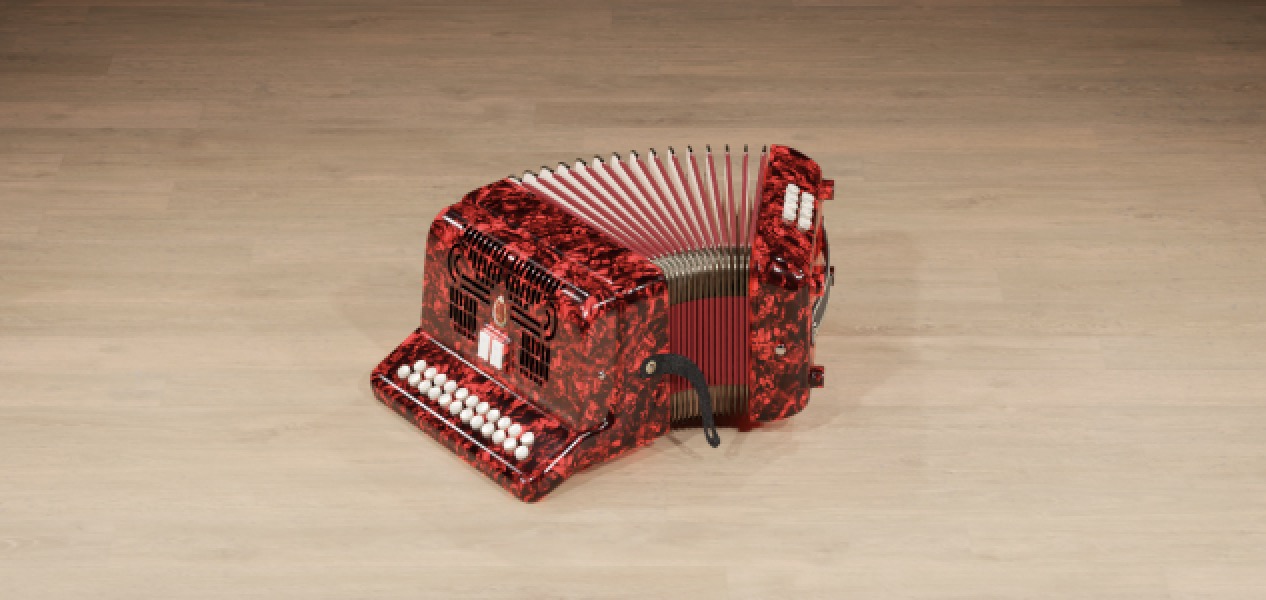
Button Accordion in Spotlight Collection: Ireland
Concertina
The concertina is a free-reed instrument, thus belonging to the same instrument family as the accordion, the harmonica, the Chinese Sheng or the Japanese Shō. There are 15 buttons on each side, arranged in three rows of five buttons each. Each button produces single notes that differ in pitch depending on the direction of air pressure, that is whether the bellow is pulled or pushed. The two lower rows trigger notes of the G and C major scale, while the upper row adds the remaining chromatic pitches, making it both a diatonic and chromatic instrument.
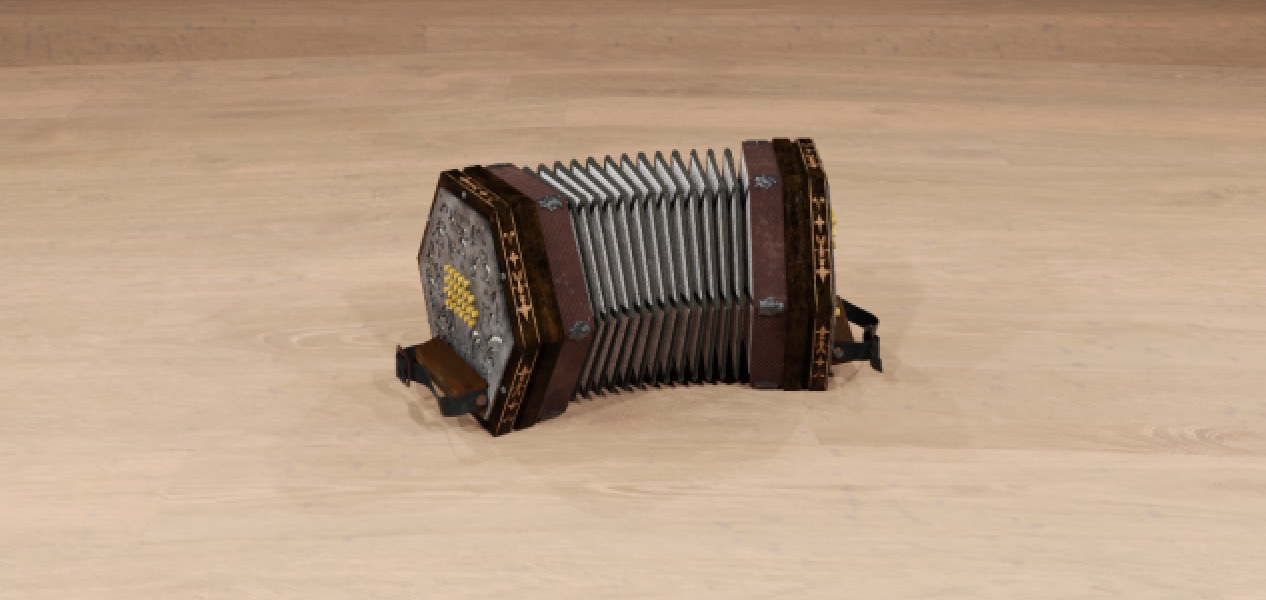
Concertina in Spotlight Collection: Ireland
Fiddle
The fiddle is identical to the European violin in construction. However, the playing style and thus the sound quality is different, which sets this instrument apart. The tuning of the open strings of the fiddle (G-D-A-E) is identical to the open strings of the tenor banjo and mandolin.
This instrument has been recorded with two sets of legato samples, which ensures natural sounding legato across various intervals. Additionally, it features release velocity, resulting in a softer release when gently releasing keys, and an abrupt release with release noises when quickly releasing keys.
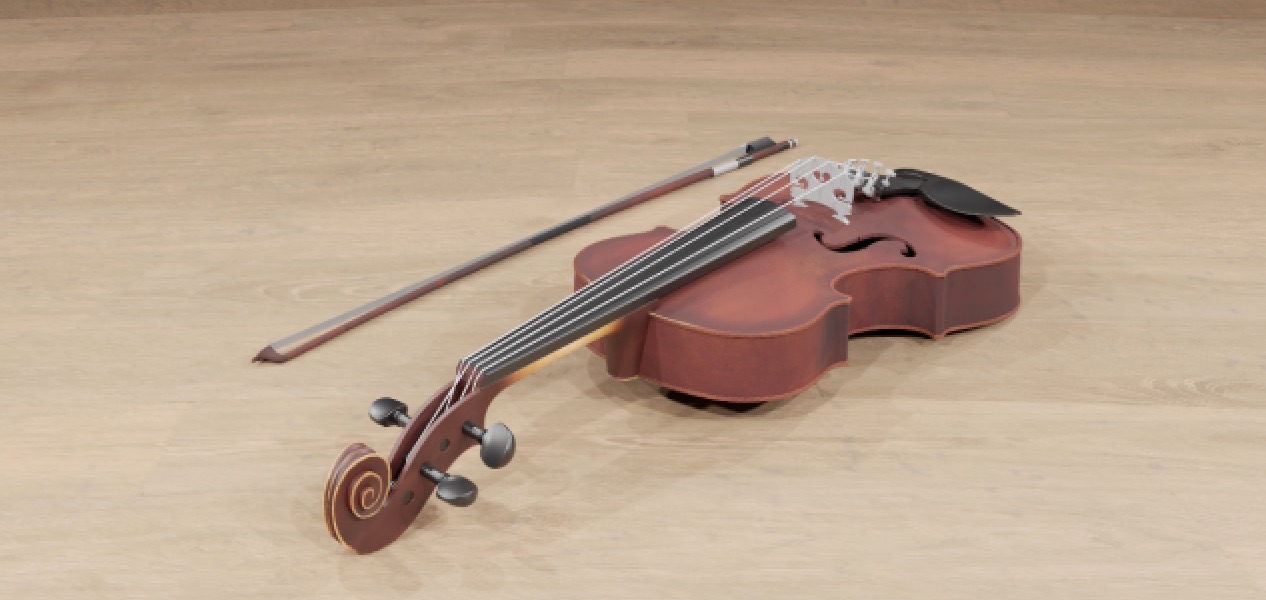
Fiddle in Spotlight Collection: Ireland
Irish Flute
The Irish flute is a wooden transverse flute. It is played and hold in a similar fashion as the Western concert flute. What sets it apart are its finger holes, which are open and not covered by keys. Therefore, it is usually referred to as a simple-system flute. Like flutes from the 19th century it has a much darker tone than its modern counterpart. The instrument is tuned to D, with additional notes accessible with metal keys.
When using polyphonic aftertouch with this instrument, you can retrigger notes with additional ornaments by pressing held keys.
This instrument has been recorded with two sets of legato samples, which ensures natural sounding legato across various intervals. Additionally, it features release velocity, resulting in a softer release when gently releasing keys, and an abrupt release with release noises when quickly releasing keys.
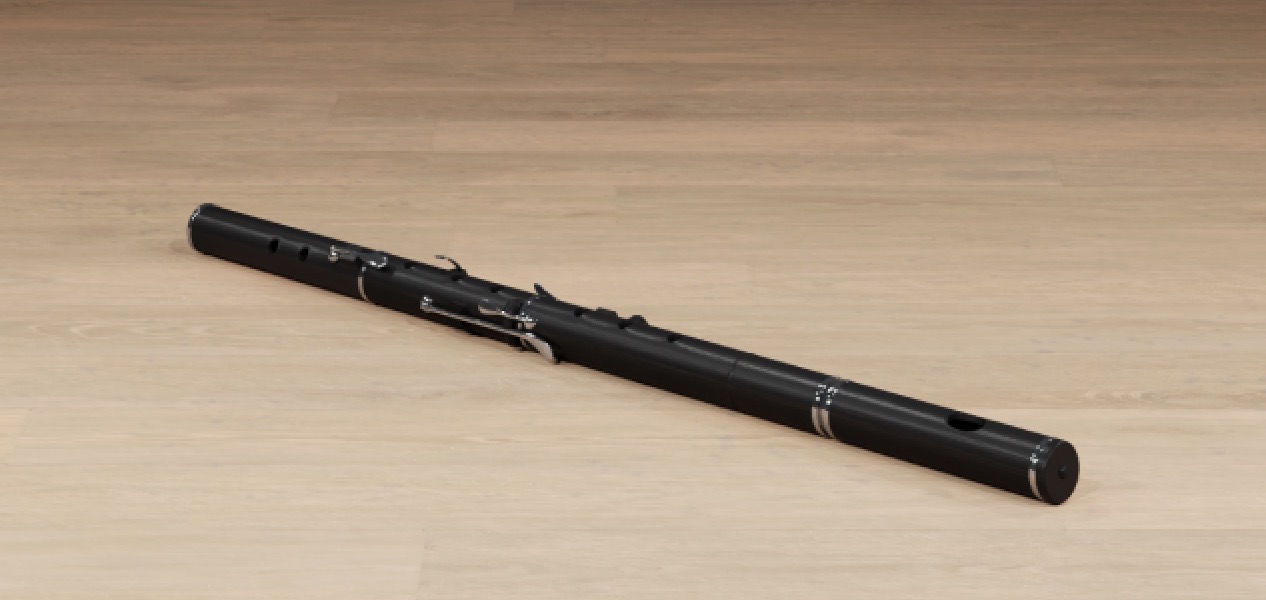
Irish Flute in Spotlight Collection: Ireland
Irish Harp
The Irish harp has a very long tradition in Irish music, with the instrument becoming a national symbol of Ireland. Like the Western concert harp it is diatonic in its basic setup with seven strings per octave, usually tuned to one scale. Unlike the Western concert harp, the Irish harp does not feature pedals to change the pitch while playing the instrument. Instead, metal levers are used to raised the pitch per string by a semitone.
When using polyphonic aftertouch with this instrument, you can can dampen individual sounding notes by pressing held keys.
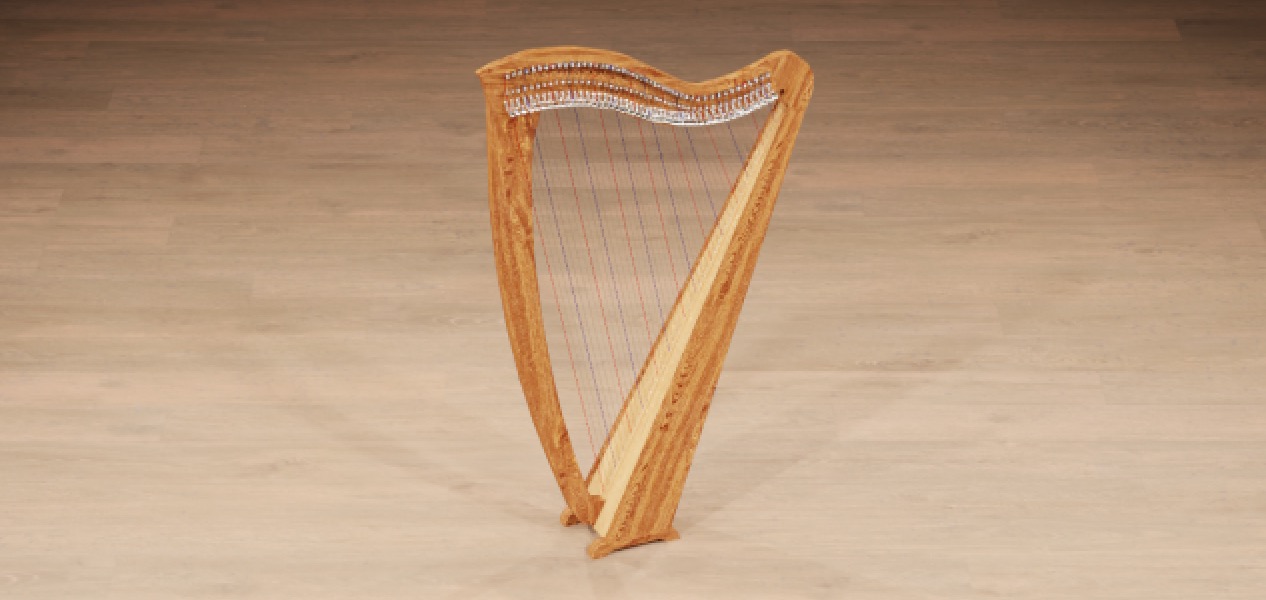
Irish Harp in Spotlight Collection: Ireland
Mandolin
The mandolin, just like the bouzouki, features four pairs of strings in the tuning G-D-A-E. In Irish traditional the mandolin plays melodic lines as well as some chordal accompaniment. Note that the excessive use of tremolo on the mandolin known from other musical styles is not common in Irish music.
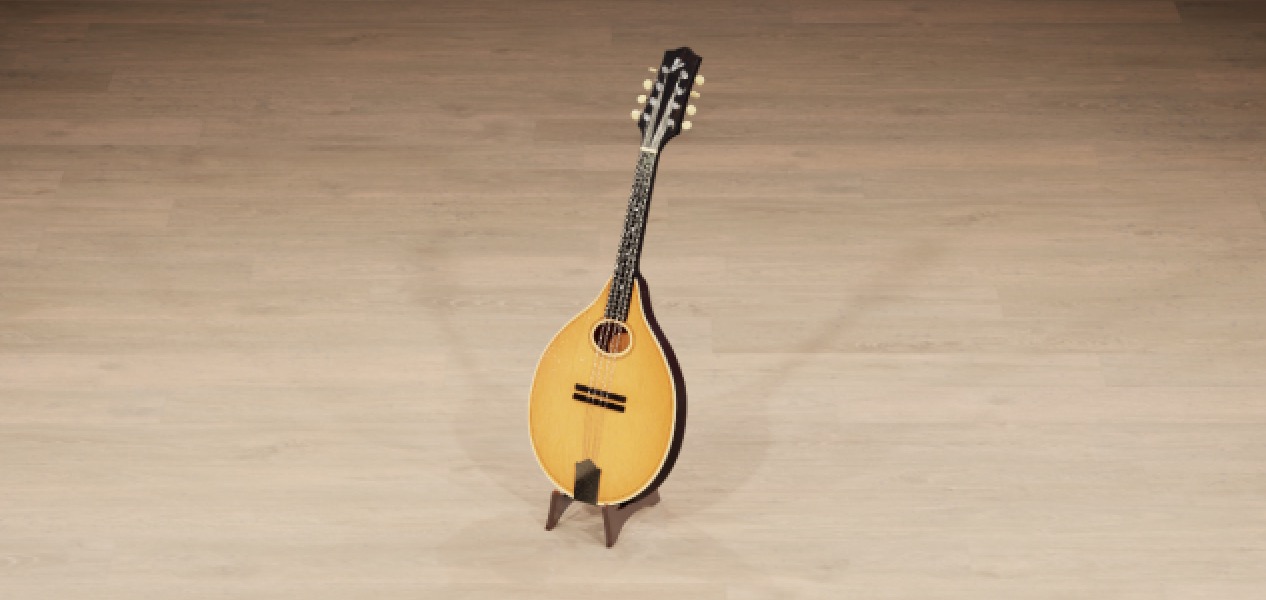
Mandolin in Spotlight Collection: Ireland
Tenor Banjo
The Irish tenor banjo has four strings tuned to G-D-A-E, an octave below the fiddle. Popularized by the banjo player of the famous Irish group The Dubliners (Barney McKenna), it is most commonly used for melodic lines.
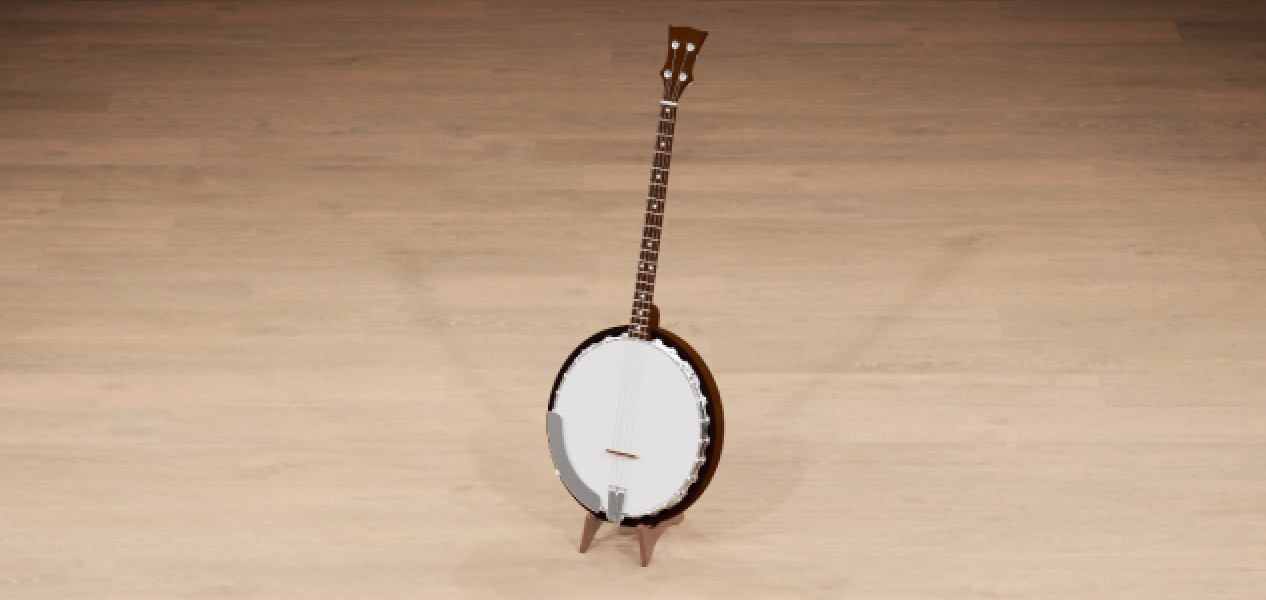
Tenor Banjo in Spotlight Collection: Ireland
Tin Whistle
The tin whistle is a fipple flute, similar to a recorder. With its six finger holes and its simple construction, it is both appealing to beginners and professionals alike. It is a diatonic instrument and most commonly available in the key of D. The fingering is basically the same as for the Irish flute, with the tin whistle sounding an octave higher than the Irish flute.
This instrument has been recorded with two sets of legato samples, which ensures natural sounding legato across various intervals. Additionally, it features release velocity, resulting in a softer release when gently releasing keys, and an abrupt release with release noises when quickly releasing keys.
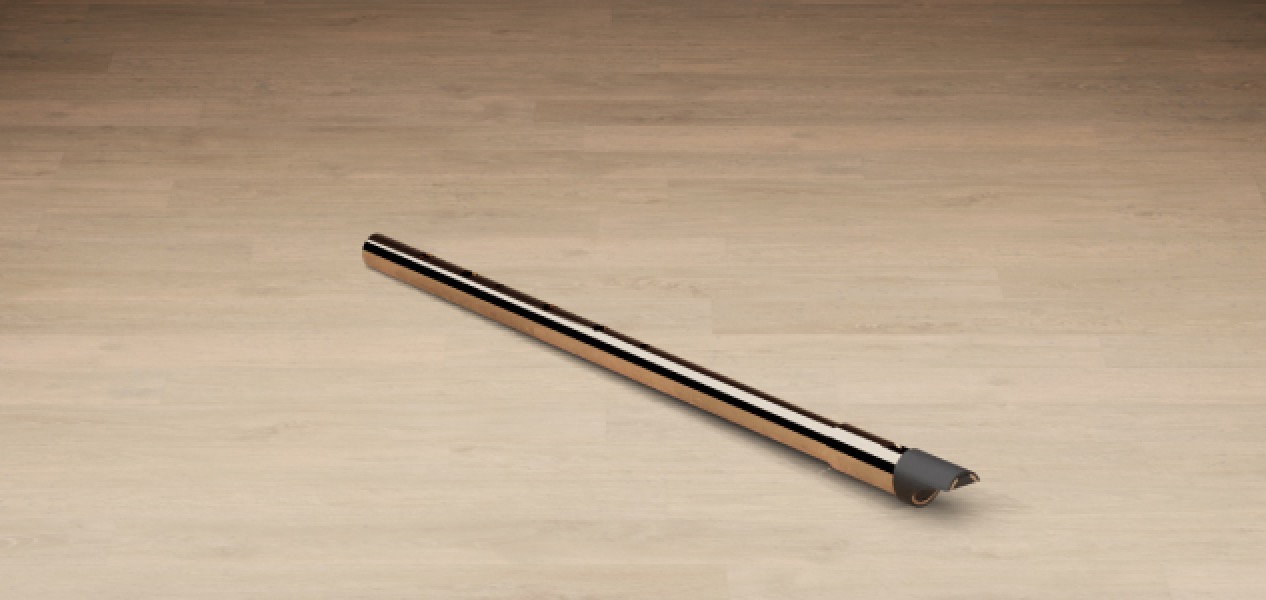
Tin Whistle in Spotlight Collection: Ireland
Uilleann Pipes
The Uilleann Pipes (pronounced [ɪlən]) is a bag pipe consisting of three elements, the chanter, the regulators and the drones. It is unique to Ireland and an important representative of Irish traditional music. The chanter is played by the fingers and used for playing melodies. The regulators consist of three pipes (labeled tenor, baritone and bass) that can produce a number of pitches by pressing metal keys. The drones are also a set of three pipes that each produce a single tone an octave apart. The Uilleann Pipes are much softer in volume than other bag pipes and thus are played indoors. Just like the Irish flute and the tin whistle, the pipes are tuned to D with the fingering of the chanter being almost identical to both aforementioned instruments, therefore many musicians are capable of playing all three instruments.
This instrument has been recorded with two sets of legato samples, which ensures natural sounding legato across various intervals. Additionally, it features release velocity, resulting in a softer release when gently releasing keys, and an abrupt release with release noises when quickly releasing keys.
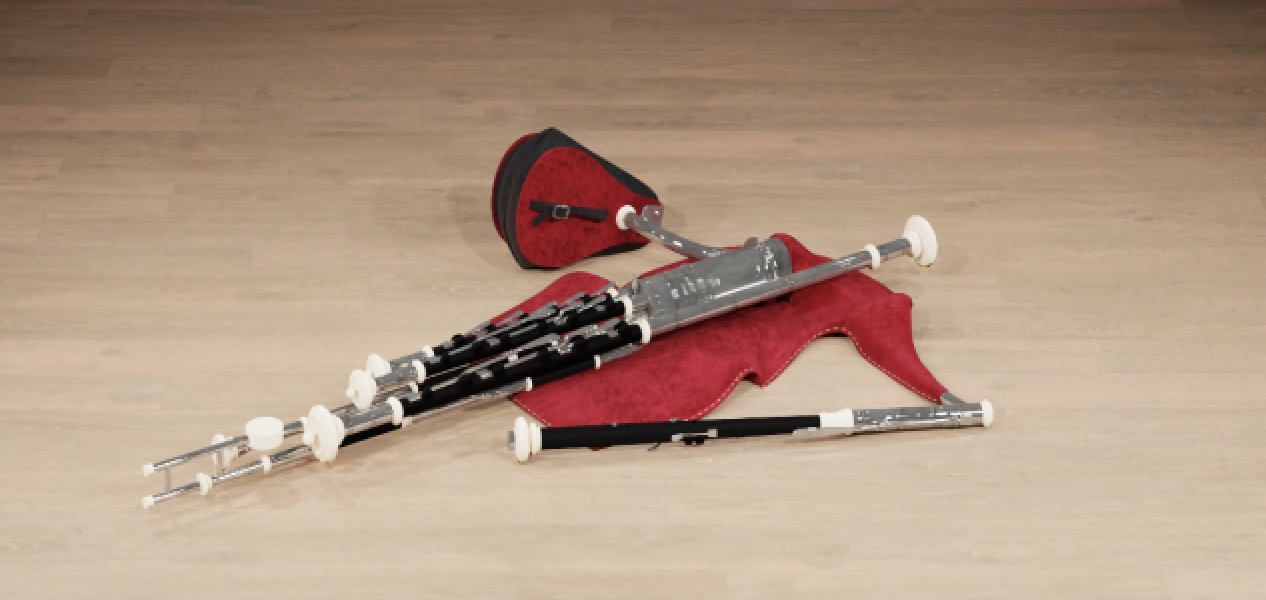
Uilleann Pipes in Spotlight Collection: Ireland